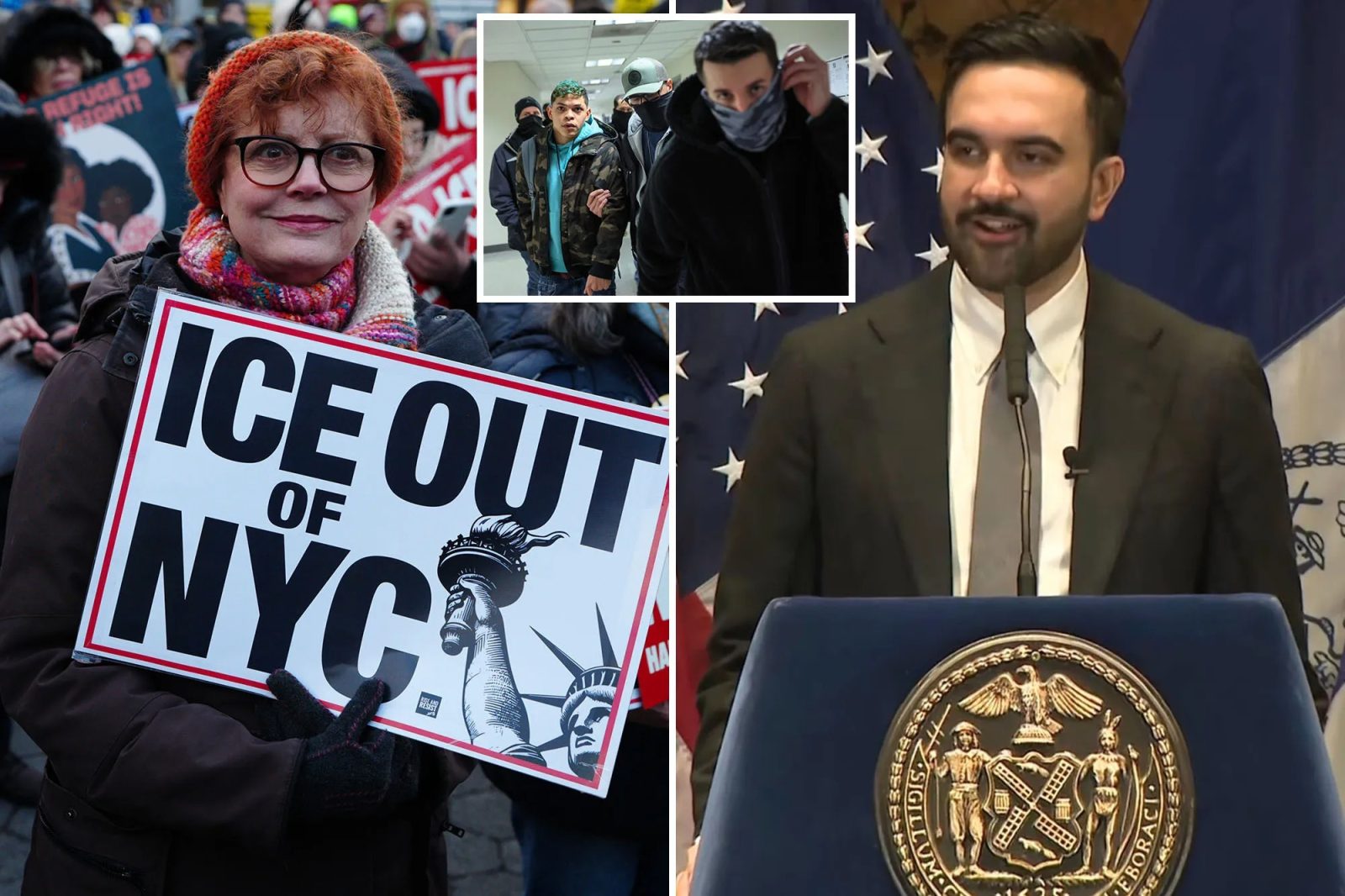
ICE’S NEW YORK SURGE IS REAL — BUT ‘ARRESTS BEGIN IN QUEENS DESPITE MAMDANI’S ORDERS’ RECYCLES A JULY OPERATION

Federal immigration enforcement has intensified across New York City, with Queens emerging as one of the most active fronts in the Trump administration’s deportation campaign.
But a viral headline declaring that ICE has just begun a new New York City operation with arrests underway in Queens “despite Zohran’s orders” compresses several different events into one misleadingly fresh story.
The operation described in the original reporting began on July 27, 2026, not on August 31. NewsNation, later summarized by The Hill, reported that ICE sources said New York-based officers began enforcement actions in Queens that Monday and planned to expand into Long Island the following day.
What is new is the evidence that the enforcement buildup did not quickly disappear. ICE sightings and arrests continued climbing through the summer, particularly in immigrant-heavy Queens neighborhoods such as Corona, East Elmhurst, College Point, Flushing and Jackson Heights.
The other major correction concerns Mayor Zohran Mamdani. His sanctuary policies restrict what New York City agencies may do to assist federal immigration enforcement. They do not give the mayor authority to command ICE or prohibit federal agents from making otherwise lawful arrests on New York streets.
The strongest accurate version is this: ICE launched a Queens-centered enforcement push in late July and has continued aggressive operations through August, despite New York City’s refusal to make local agencies and property freely available for federal immigration enforcement.
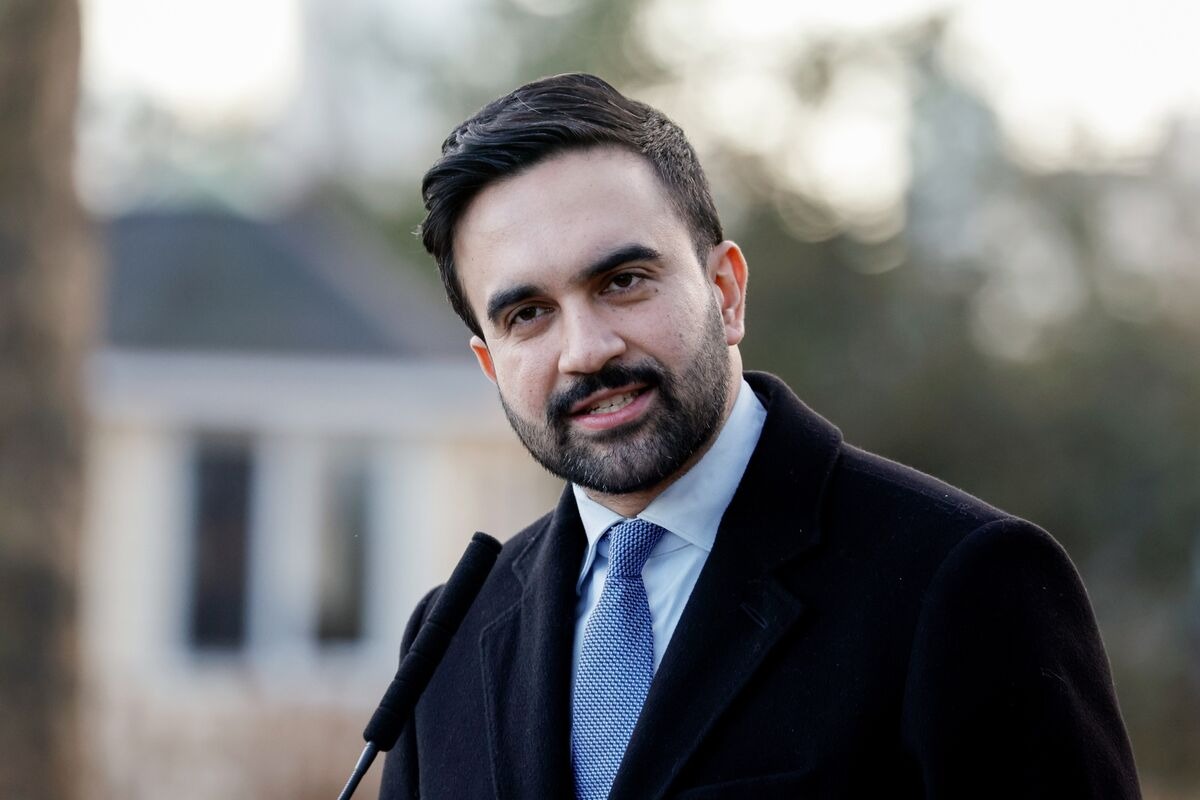
The ‘Breaking’ Operation Actually Began July 27
The underlying report dates to Monday, July 27.
NewsNation immigration correspondent Ali Bradley reported, citing ICE sources, that New York City-based enforcement operations had started that morning in Queens.
The sources said officers were expected to move into Long Island the next day.
The reported targets included noncitizens who had previously been the subjects of ICE detainers but were released after local jails or prisons did not transfer them to federal custody.
The report also said collateral arrests were expected, meaning agents looking for a particular target could arrest other removable noncitizens they encountered during the operation.
DHS declined at the time to confirm the tactical details, citing operational security, while emphasizing that ICE enforces federal immigration law nationwide every day.
It is therefore inaccurate to present the July 27 launch as a brand-new August 31 operation unless federal officials announce a separate new operation.
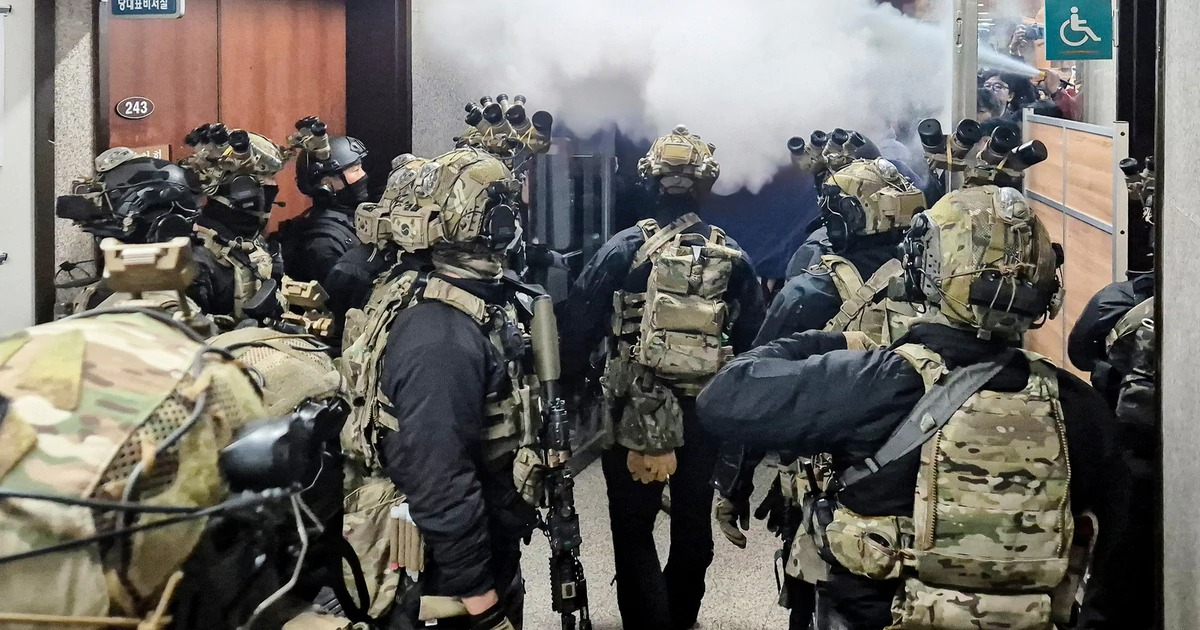
The Surge Did Continue After the Original Headline
The fact that the original headline is stale does not mean the enforcement surge disappeared.
Local reporting through late August shows sustained and, in several measures, sharply increased ICE activity in New York City.
A New York Explained timeline updated August 28 said ICE arrests in the New York City area reached 919 in July, nearly double the 467 recorded in April.
The same data analysis found that more than three-quarters of the July arrestees had no criminal history.
DHS disputed the way those statistics were being presented, accusing critics of cherry-picking the data and maintaining that the administration continues to prioritize serious offenders.
The disagreement is partly about framing, but the numerical increase in arrests is real.
Queens Has Been at the Center of the Enforcement Buildup
Queens is an obvious focal point for federal immigration enforcement because it contains some of the city’s largest immigrant communities.
New York City planning data estimate that roughly 48 percent of Queens residents are foreign-born.
Community monitoring groups reported 59 confirmed ICE sightings citywide in July, up from 20 in June, with Queens accounting for almost half of the sightings recorded across the five boroughs during that period.
Local reports documented increased activity in Corona, Elmhurst, East Elmhurst, Flushing and College Point.
By late August, residents and advocates were also describing more vehicle stops involving out-of-state license plates in College Point and continued arrests around immigrant commercial corridors.
Those reports do not establish the precise size of a single federal ‘operation,’ but they do show that the broader enforcement pressure in Queens is real and ongoing.
Mamdani Really Did Strengthen New York City’s Sanctuary Policies
Mayor Zohran Mamdani has made resistance to aggressive federal immigration enforcement a central part of his administration.
On February 6, he signed Executive Order 13, formally titled “Protecting New Yorkers from Abusive Immigration Enforcement.”
The order directed major city agencies, including the NYPD, Department of Correction and Department of Social Services, to audit their policies governing communication and cooperation with immigration authorities.
It also required training for city employees, strengthened rules governing personal information held by city agencies and created a coordinated city response structure for immigration-enforcement encounters.
Mamdani’s administration paired the order with a large multilingual Know Your Rights campaign.
The Executive Order Is Narrower Than the Political Slogan
City Hall publicly summarized Executive Order 13 by saying ICE would not be able to enter city property without a judicial warrant.
The actual text contains important qualifications.
The order prohibits non-city law-enforcement personnel from using city-controlled lots as staging areas, processing sites or operational bases unless one of several exceptions applies.
Those exceptions include a judicial warrant, a formal agreement, a cooperative arrangement, exigent circumstances, use that furthers a city-agency purpose or circumstances in which access is otherwise required by law.
The order also reinforces existing restrictions on information sharing and cooperation by city agencies.
It does not declare the five boroughs a federal-law-free zone.
Mamdani’s order regulates New York City’s own property, employees and cooperation. It does not purport to give the mayor operational command over federal ICE officers.
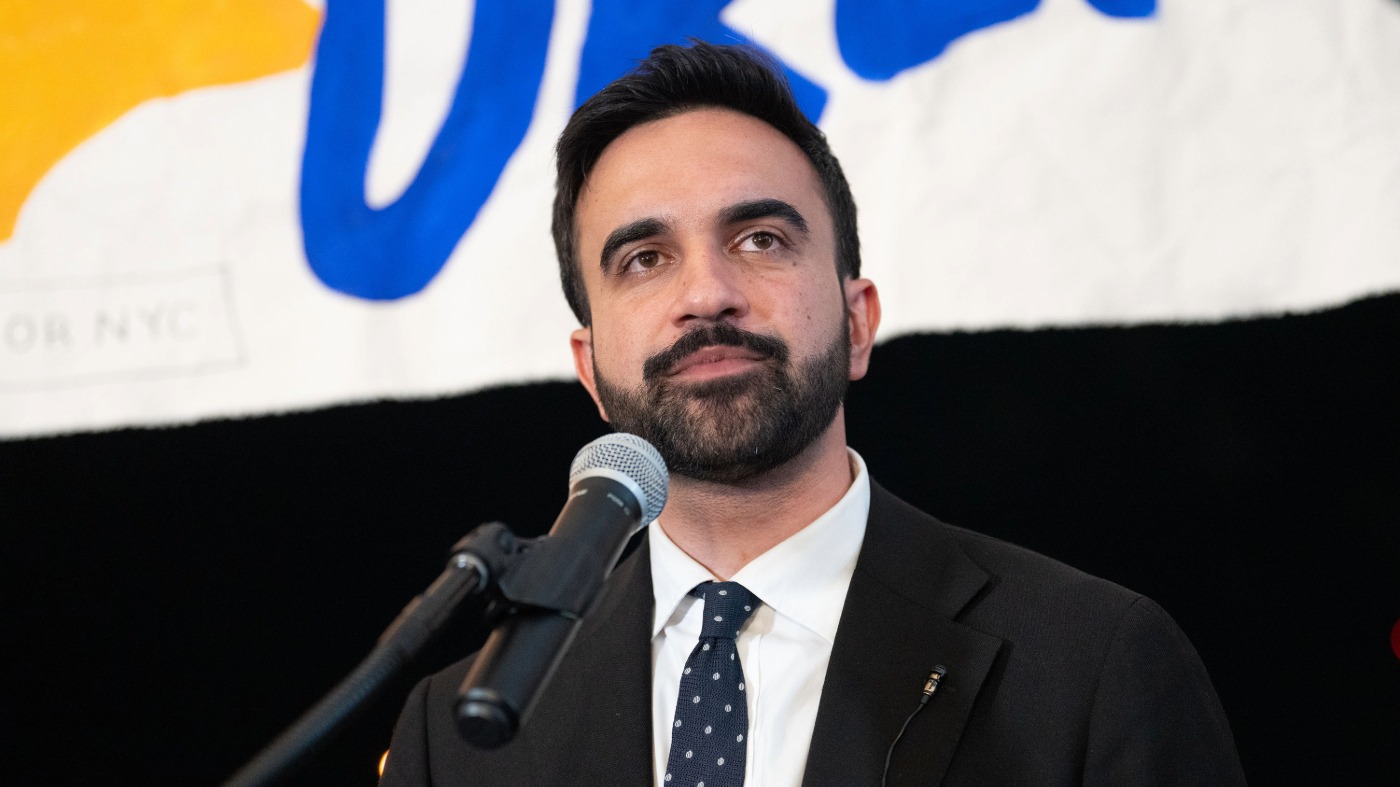
ICE Does Not Work for the Mayor of New York
ICE is a federal agency within the Department of Homeland Security.
Its arrest powers arise from federal immigration law, not from permission granted by New York City Hall.
Under 8 U.S.C. §1357, designated immigration officers possess statutory authority to interrogate people regarding their right to remain in the United States and, under specified circumstances, arrest people believed to be violating federal immigration law.
New York City can limit the use of its own personnel and resources.
It cannot repeal federal immigration statutes or issue an executive order commanding ICE to stop enforcing federal law throughout the city.
That distinction is why the phrase “despite Zohran’s orders” is politically catchy but legally imprecise.
Sanctuary Policy Is About Cooperation, Not a City Veto Over Federal Law
The central federalism dispute is about whether local government must help federal immigration authorities.
New York City’s sanctuary rules generally limit when the NYPD, Department of Correction and other city agencies may share information, extend custody or assist with civil immigration enforcement.
The Trump administration argues that those restrictions make enforcement more dangerous and expensive because ICE must locate people in homes, workplaces and neighborhoods after local custody ends.
Sanctuary supporters argue that local police should focus on local crime and that immigrant residents are less likely to report crimes or cooperate with officers if they believe any city interaction could lead directly to deportation.
Both sides are debating local cooperation. Neither side changes the basic fact that the federal government retains its own immigration-enforcement authority.
New York City Really Does Decline Large Numbers of ICE Detainers
Official New York City Department of Correction records help explain why the Trump administration considers the city a sanctuary jurisdiction.
During fiscal year 2025, ICE lodged 595 civil immigration detainers with the city’s Department of Correction.
The department reported that 405 detainers were not honored under the applicable city-law rules.
It also reported that no individual was held beyond the time he or she otherwise would have been released solely because of a civil ICE detainer.
City policy permits certain transfers under narrower circumstances, including specified serious or violent convictions and required probable-cause documentation.
The result is not zero cooperation, but it is far more restrictive than the system ICE and the Trump administration want.
Why ICE Says Sanctuary Policies Produce More Street Arrests
Trump border czar Tom Homan has repeatedly argued that a cooperative jail transfer is safer than a neighborhood arrest.
His basic operational argument is straightforward.
If local officials transfer a removable target directly from a secure jail to ICE, a small number of officers can take custody in a controlled environment.
If the person is released, ICE may need a larger field team to locate the target in an apartment building, workplace, parking lot or public street.
During those operations, agents may encounter other people they determine are removable, creating the possibility of collateral arrests.
Supporters of the Trump strategy view that outcome as a predictable consequence of sanctuary policies. Critics argue that the resulting neighborhood sweeps impose fear and constitutional risks on entire communities.
The State Added Another Restriction on August 25
New York’s immigration-policy conflict expanded beyond New York City this month.
A state law that took effect August 25 prohibits state and local law-enforcement agencies from entering, renewing or remaining in certain 287(g) agreements with federal immigration authorities.
Section 287(g) agreements allow trained state or local personnel to perform specified federal immigration functions under federal supervision.
Ending those agreements further separates local policing from federal civil immigration enforcement.
But here again, the law restricts what New York’s own agencies may do.
It does not abolish ICE’s independent federal authority to operate in New York.
A ban on local 287(g) cooperation does not amount to a ban on ICE. Federal officers may continue federal immigration operations using federal authority and personnel.
The Timing Actually Makes the Story More Interesting
The viral headline loses accuracy by pretending the Queens operation began today, but the real chronology creates a more important political story.
ICE’s reported Queens push began July 27.
Enforcement sightings and arrests climbed during the following weeks.
Mamdani’s city-level sanctuary protections remained in place.
Then, on August 25, New York’s statewide restriction on 287(g) agreements took effect.
By August 28, newly analyzed federal data showed July arrests had nearly doubled from the spring low.
The confrontation is therefore no longer about whether Trump will send immigration enforcement into Mamdani’s New York.
It is about what happens after federal officers are already operating there while city and state governments systematically reduce their own cooperation.
The ‘Despite His Orders’ Framing Gives Mamdani More Power Than He Has
Political posts often frame the dispute as Trump openly defying Mamdani, as though the president and mayor issued competing commands to the same police force.
They did not.
Mamdani controls mayoral agencies within the limits of city, state and federal law.
Trump’s administration controls ICE and other federal immigration-enforcement resources within the limits of federal law and the Constitution.
The mayor can order city employees not to volunteer certain assistance.
He can restrict access to city-controlled facilities where the law allows.
He can fund legal assistance, launch public-information campaigns and challenge federal practices in court.
He cannot issue an order that strips ICE agents of federal authority throughout Queens.
That Does Not Mean Every ICE Arrest Is Automatically Lawful
Federal supremacy does not eliminate constitutional limits.
ICE officers remain constrained by statutes, regulations and the Fourth Amendment.
New York civil-rights organizations have sued the agency over alleged warrantless arrests and detention practices.
Community groups have also documented confrontations involving people filming federal operations and have questioned the use of unmarked vehicles, masks and investigative stops.
Those disputes are fact-specific and are being fought through courts and legislation.
Saying the mayor cannot block ICE wholesale is not the same as saying every tactic used by every ICE officer is legally immune from review.
Federal authority answers who may enforce immigration law. It does not automatically answer whether a particular arrest, search or use of force complied with the Constitution.
The Criminal-History Numbers Complicate Both Parties’ Messaging
The administration frequently describes its enforcement drive as focused on the “worst of the worst.”
Serious offenders are unquestionably among the people ICE arrests.
But the newest New York City-area data analyzed by the Deportation Data Project indicate that more than three-quarters of July arrestees had no recorded criminal history.
DHS disputes the implication critics draw from that statistic and argues that immigration violations and other public-safety information are not captured by a simplistic criminal-record category.
The data nevertheless matter because they show the enforcement program has moved well beyond arrests limited only to convicted violent criminals.
That is consistent with Homan’s repeated statement that people who are unlawfully present are not categorically exempt merely because they were not the original target of a field operation.
For Trump, the Strategy Is Designed to Test Sanctuary Government
The New York operation fits the administration’s larger argument that federal immigration law should remain enforceable regardless of local political opposition.
The Trump team wants voters to see cities such as New York as proof that sanctuary rules obstruct straightforward custody transfers and force federal agents into more difficult field operations.
Mamdani wants voters to see the same confrontation as proof that city government must shield local institutions from what he describes as aggressive and abusive federal enforcement.
Neither side is hiding the political stakes.
For Trump, New York is a demonstration that a sanctuary mayor cannot nullify federal immigration law.
For Mamdani, the ICE surge is a demonstration of why sanctuary protections and immigrant legal assistance are necessary.
What Can Actually Be Said With Confidence
ICE did launch a reported New York City enforcement operation beginning in Queens on July 27, 2026, according to NewsNation sources later summarized by The Hill.
The operation was reported as targeting people whose prior ICE detainers had not resulted in transfers from local custody, while collateral arrests were also expected.
DHS did not publicly confirm the tactical details of the operation at the time, citing operational security.
The operation is therefore not a new August 31 launch.
ICE activity has nevertheless remained elevated through August, and local reporting documents continuing arrests and sightings in Queens and other boroughs.
Newly analyzed federal data show 919 ICE arrests in the New York City area in July, nearly twice the 467 recorded in April.
More than three-quarters of those July arrestees were listed as having no criminal history in that analysis; DHS disputes the way critics characterize the data.
Mayor Zohran Mamdani signed Executive Order 13 in February to strengthen city sanctuary protections, restrict certain federal uses of city property, protect city-held information and limit city cooperation with immigration enforcement.
The order contains exceptions, including judicial warrants, exigent circumstances, formal arrangements and circumstances where access is required by law.
Mamdani’s executive order applies to city government and city-controlled property. It does not command ICE or eliminate federal immigration-enforcement authority on public streets.
Federal immigration officers derive arrest authority from federal law, including 8 U.S.C. §1357.
New York’s new statewide ban on certain 287(g) agreements took effect August 25, further restricting local participation in federal civil immigration enforcement but not preventing ICE from operating with federal personnel.
Official New York City records show that the Department of Correction received 595 ICE civil detainers in fiscal year 2025 and reported 405 as not honored under city rules.
The accurate story is therefore stronger than a stale viral headline.
Leave a Reply